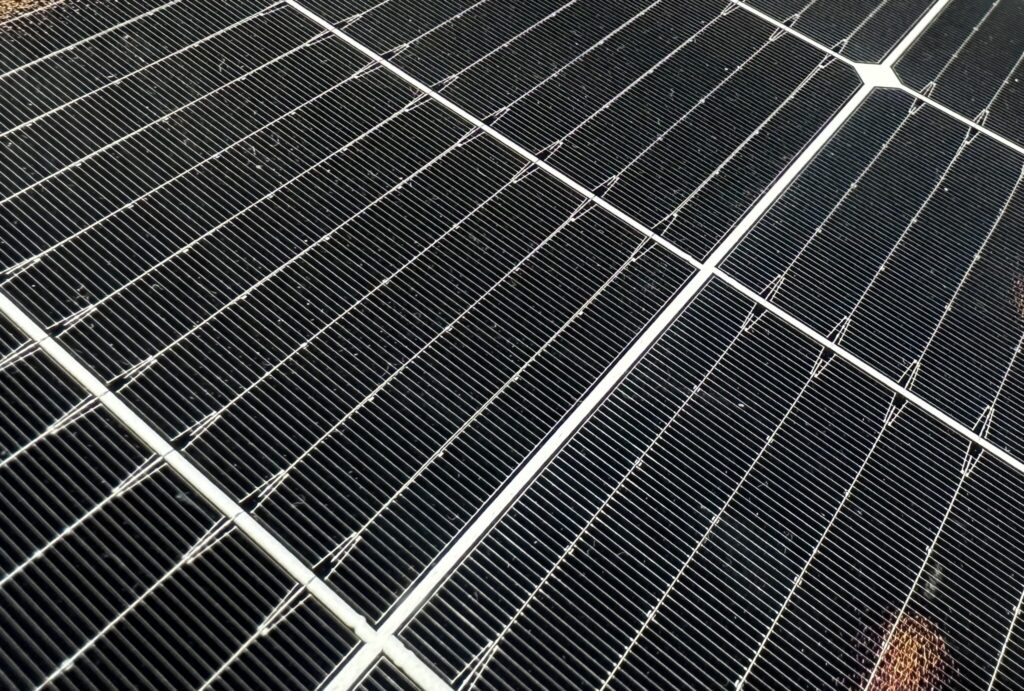





来自全球多家领先光伏机构与企业的国际研究团队,识别并总结了其所称“多太瓦(multi-terawatt)光伏新时代”最重要的研发趋势。
该团队成员均参与了第四届Terawatt Workshop,这是由德国弗劳恩霍夫太阳能系统研究所(Fraunhofer ISE)、美国能源部的National Laboratory of the Rockies以及日本先进产业科学技术研究所(AIST)牵头组织的一系列高层次国际光伏研讨会之一。
在其最新论文《Historical and future learning for the new era of multi-terawatt photovoltaics》中(近日发表于Nature Energy),研究团队预测,光伏在价格、性能与可靠性方面将持续提升,同时未来的设计与制造将更加关注资源使用、排放以及回收利用。
“到2050年,通过叠层(tandem)结构,太阳能组件效率可能超过35%。”弗劳恩霍夫ISE所长安德烈亚斯·贝特(Andreas Bett)在接受pv magazine采访时表示。他补充称,电池效率可能超过36%,且电池到组件的损失将低于当前水平。“到本世纪上半叶末,太阳能组件价格可能下降一半。”
贝特表示,更高效率与更低成本对能源转型都至关重要,但他认为效率更为关键。“效率越高,光伏装机所需材料和土地越少,这将提升可持续性并降低系统总体成本。”他还称,太阳能组件寿命“肯定”将延长至40年以上。
研究人员强调,光伏产业在组件成本、性能和系统集成方面,长期以来持续超越早期预测。未来,面向晶体硅(c-Si)、碲化镉(CdTe)以及铜铟镓硒(CIGS)等技术路线的叠层架构与制造创新“可能且应该”推动新玩家进入市场,从而形成更加全球化、多元化的电池与组件供应链。
研究还解释称,新一代叠层光伏技术需要清晰界定性能指标、确保可预测的发电输出、实现早期故障识别,并管理未知的衰减风险。研究人员指出,最后一点不仅是当前硅组件面临的挑战,也对正在兴起的钙钛矿相关技术尤为关键。
该研究预测,到2050年全球太阳能制造产能可能达到约3太瓦(TW),并强调以可持续性驱动的学习效应已经降低成本,未来也将越来越关键——因为光伏产业需要确保获得支撑进一步增长所需的资源。
科学家在结论中表示:“未来光伏行业会议(例如本次Perspective所依据的第四届Terawatt Workshop)可能将把讨论重点转向系统与终端用户需求。”“今天的投资、制造与应用,将在明天以经济增长、生产率提升、就业创造以及减少污染与贫困等方面,带来全球性的变革性回报。”
该研究团队成员包括来自德国于利希研究中心(Forschungszentrum Jülich GmbH)、日本太阳能玻璃制造商AGC Inc、芬兰LUT大学、中国长江太阳能技术研究院、英国钙钛矿光伏企业Oxford Photovoltaics Ltd、中国组件制造商天合光能(Trina Solar)、沙特KAUST Solar Center及阿卜杜拉国王科技大学(KAUST)、澳大利亚新南威尔士大学(UNSW)、美国薄膜厂商First Solar、日本National Institute of Advanced Industrial Science and Technology(NEDO)以及新加坡光伏制造商Maxeon等。
This content is protected by copyright and may not be reused. If you want to cooperate with us and would like to reuse some of our content, please contact: editors@pv-magazine.com.




By submitting this form you agree to pv magazine using your data for the purposes of publishing your comment.
Your personal data will only be disclosed or otherwise transmitted to third parties for the purposes of spam filtering or if this is necessary for technical maintenance of the website. Any other transfer to third parties will not take place unless this is justified on the basis of applicable data protection regulations or if pv magazine is legally obliged to do so.
You may revoke this consent at any time with effect for the future, in which case your personal data will be deleted immediately. Otherwise, your data will be deleted if pv magazine has processed your request or the purpose of data storage is fulfilled.
Further information on data privacy can be found in our Data Protection Policy.