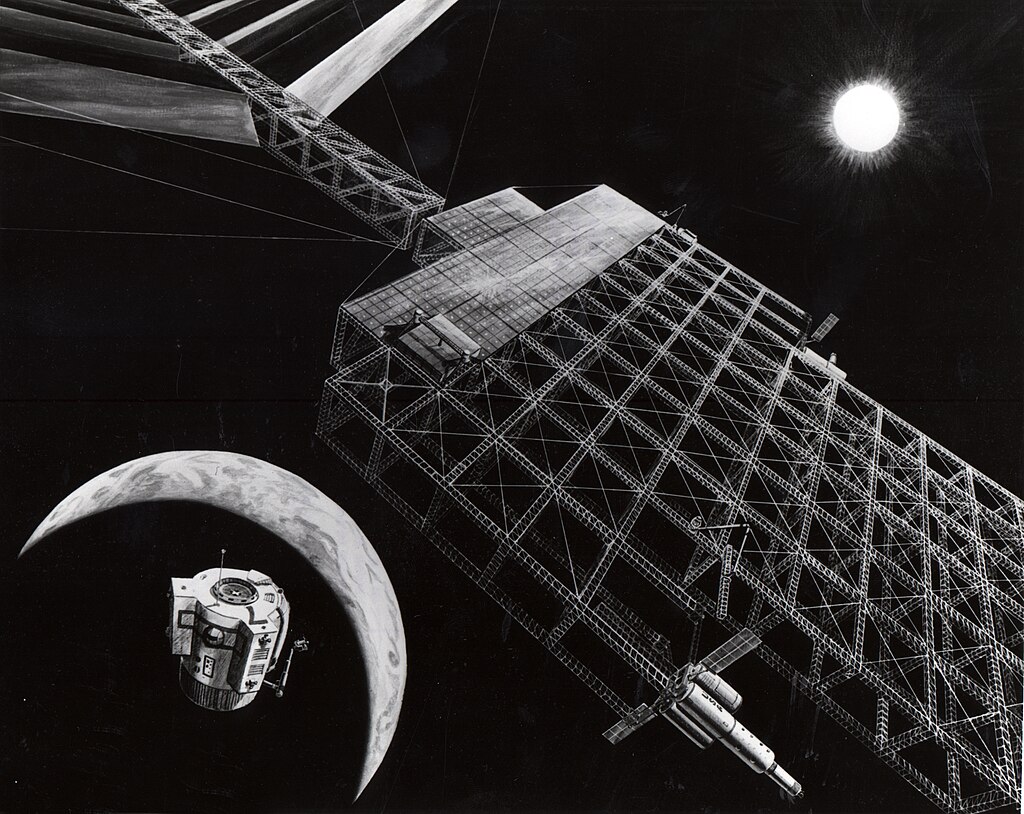





埃隆·马斯克近日在社交平台X上表示,可以通过部署一组由太阳能供电的人工智能卫星,调节进入地球的太阳辐射量,从而抑制全球变暖。他声称,只需对太阳能输入进行微小调整,即可改变地球能量平衡,“地球历史上曾多次进入‘雪球期’,因此理论上可控。”
在网友询问如何避免不同半球利益冲突时,马斯克回应称,“是的,微调便足够。”但另一位用户指出,这种方案需要全球统一协议,否则可能引发“太阳封锁战争”。
反对者则表示,该方案潜在风险巨大:
· 哪怕减少1%~2%的太阳辐射,也可能扰乱光合作用、作物生产和降水模式
· 系统若突然中断,可能引发“终止冲击”,导致气温急剧反弹,引发灾难性后果
目前,卫星普遍使用光伏供电,而空间太阳能发电(SBSP)和无线能量传输技术也正在开发中,包括中韩中大型太空太阳能项目。
中国航天科技集团计划在2030年前发射首个空间太阳能输电验证系统。韩国则规划建设年发电量达1 TWh的太空太阳能装置。
随着发射成本下降,空间太阳能正逐渐从概念走向可行,但围绕“人为调控地球气候”的伦理、治理与安全争议正在快速升高。
This content is protected by copyright and may not be reused. If you want to cooperate with us and would like to reuse some of our content, please contact: editors@pv-magazine.com.

By submitting this form you agree to pv magazine using your data for the purposes of publishing your comment.
Your personal data will only be disclosed or otherwise transmitted to third parties for the purposes of spam filtering or if this is necessary for technical maintenance of the website. Any other transfer to third parties will not take place unless this is justified on the basis of applicable data protection regulations or if pv magazine is legally obliged to do so.
You may revoke this consent at any time with effect for the future, in which case your personal data will be deleted immediately. Otherwise, your data will be deleted if pv magazine has processed your request or the purpose of data storage is fulfilled.
Further information on data privacy can be found in our Data Protection Policy.